
Capuchin monkeys are extremely agile, and typically weigh anywhere between 3 and 9 pounds. The fur of the capuchin is usually light tan around the face, neck, and shoulders, while the rest of its body is usually brown. The color of the face ranges from white to pink. The tail is pretty long, covered in hair, and can wrap around branches.
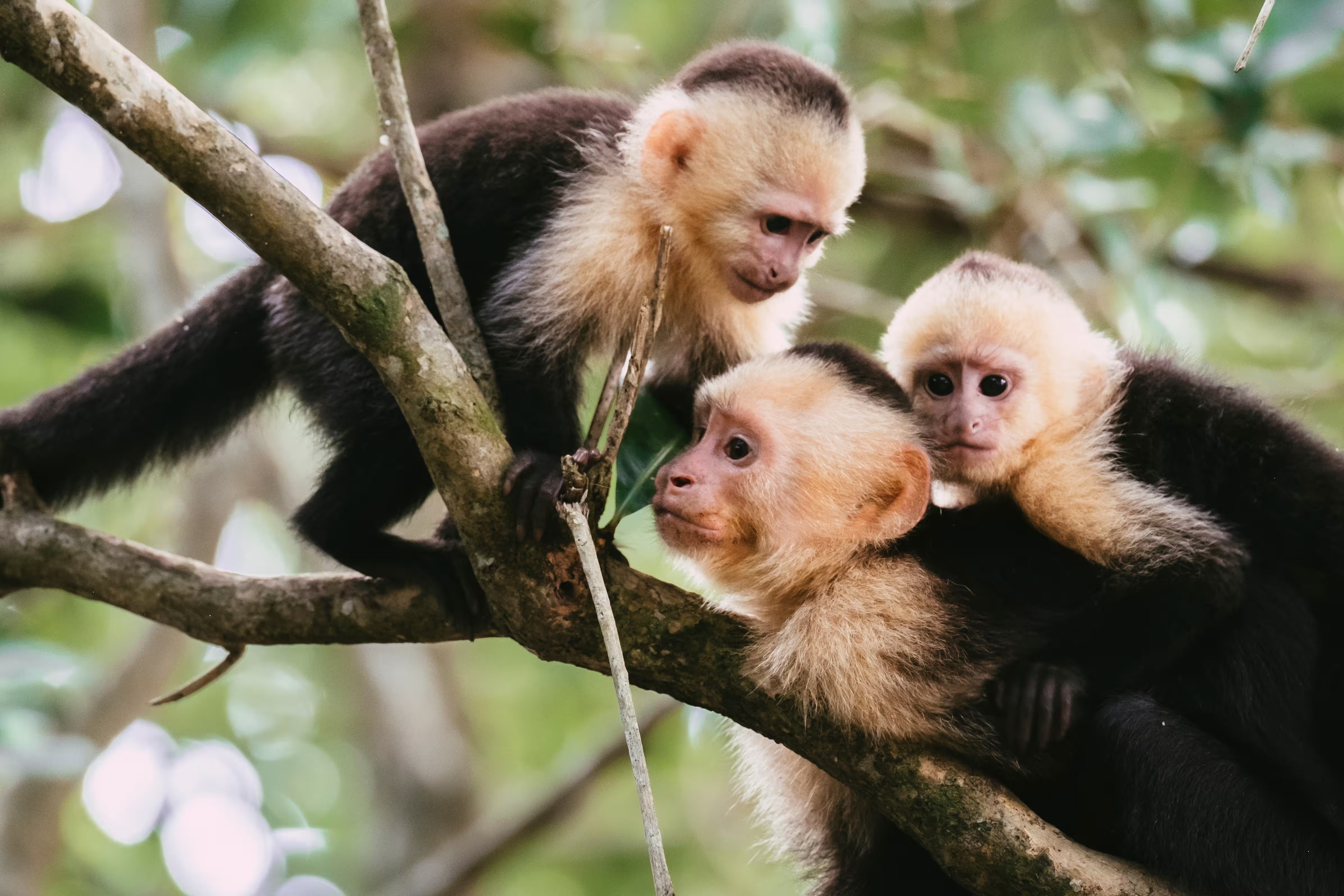
The capuchin monkey inhabits a large range in Brazil and parts of Latin America. Capuchins typically live in large groups (anywhere from 10 to 35 monkeys) within the forest. Each group is wide-ranging because each monkey must search for the best areas to feed. They communicate with each other using various calls.
Capuchins can jump up to nine feet! They use this agility to get from one tree to another. To mark their territories, capuchin monkeys leave a scent by soaking their hands and feet in urine. Capuchins sleep on tree branches and traverse to the ground only to find drinking water.
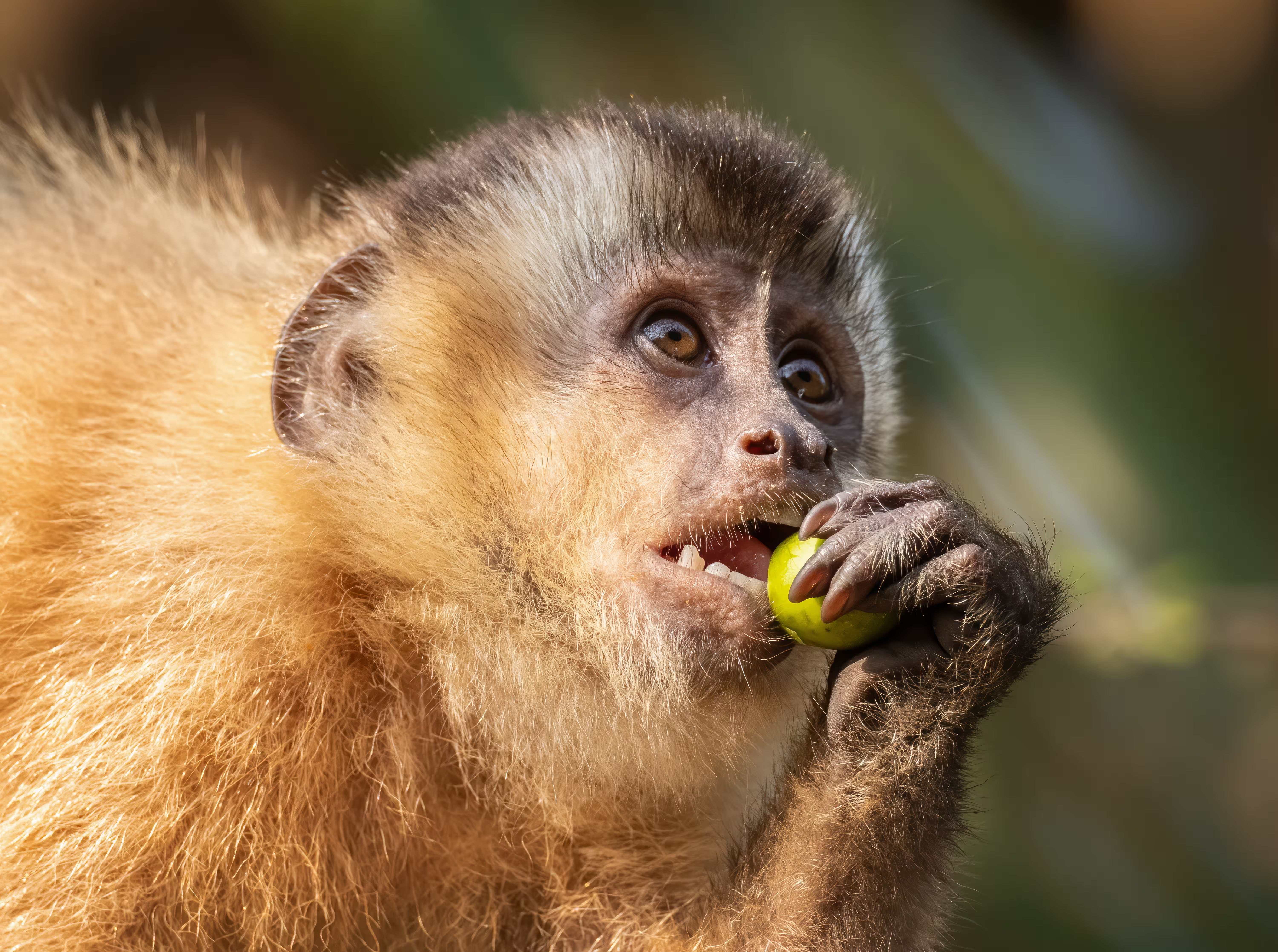
A typical diet for capuchin monkeys includes fruit, insects, leaves, and small birds. They are very good at catching frogs and cracking nuts, and they most likely also feed on small mammals.
Capuchins are very clever and easy to train. Because of this, they are used to help people who are quadriplegics (someone who is unable to use their arms and legs). As they have a high reproductive rate and flexibility of habitat, different environments do not negatively impact the capuchin monkey populations as much as other species.
Natural predators of capuchins include jaguars and large birds.