
The greatest threat to primates worldwide is habitat loss: the expansion of human activities for agriculture, mining, and urbanization causes deforestation, desertification, and pollution of natural water resources.
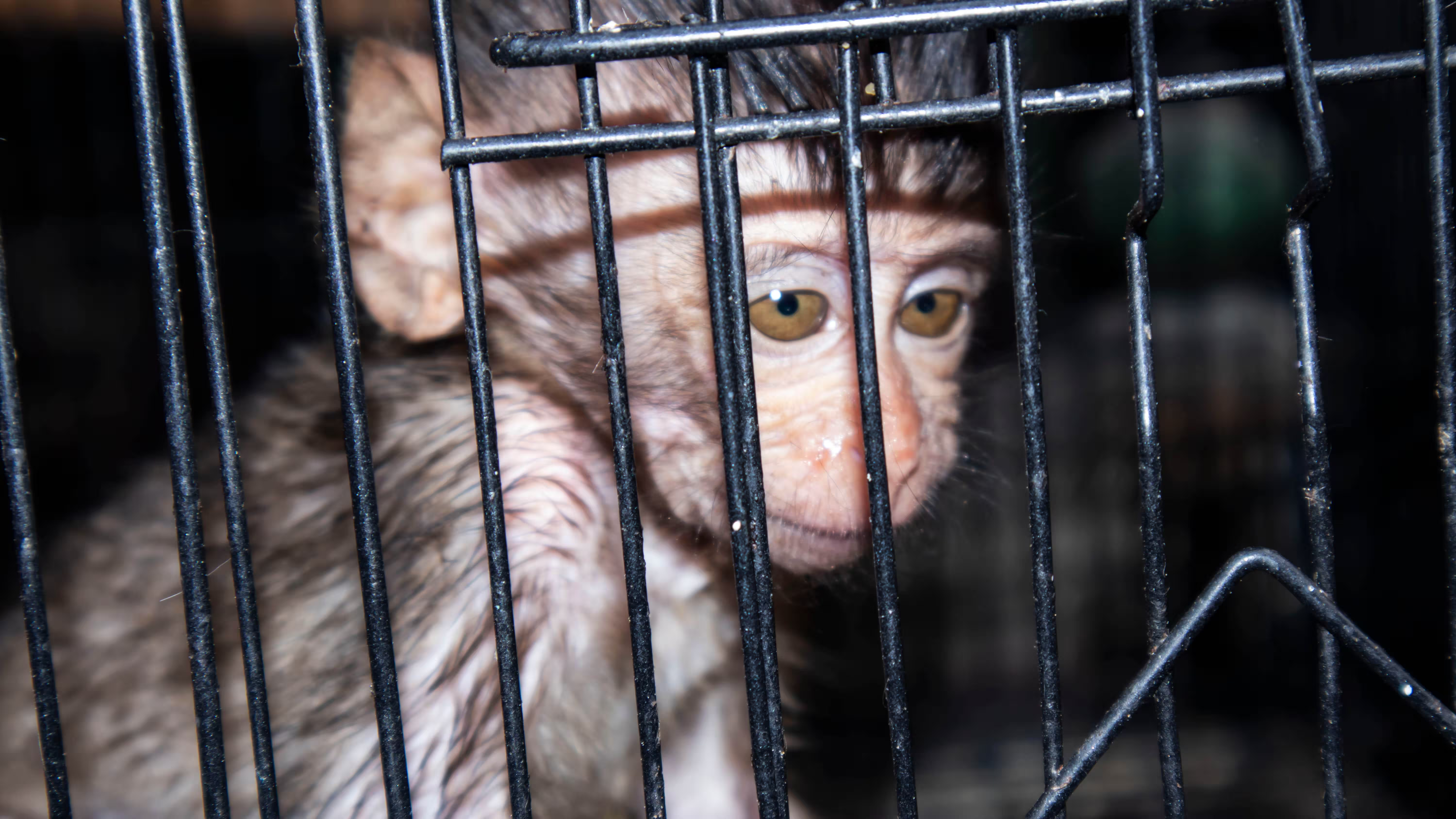
Poaching and illegal trafficking also contribute to the decrease in population numbers, and the illegal captivity as pets in private facilities such as hotels and houses for entertainment has led many to irreversible psychological traumas. Another problem affecting primates is diseases, many of which can also be transmitted to humans (HIV, Ebola, leprosy, and even COVID-19).
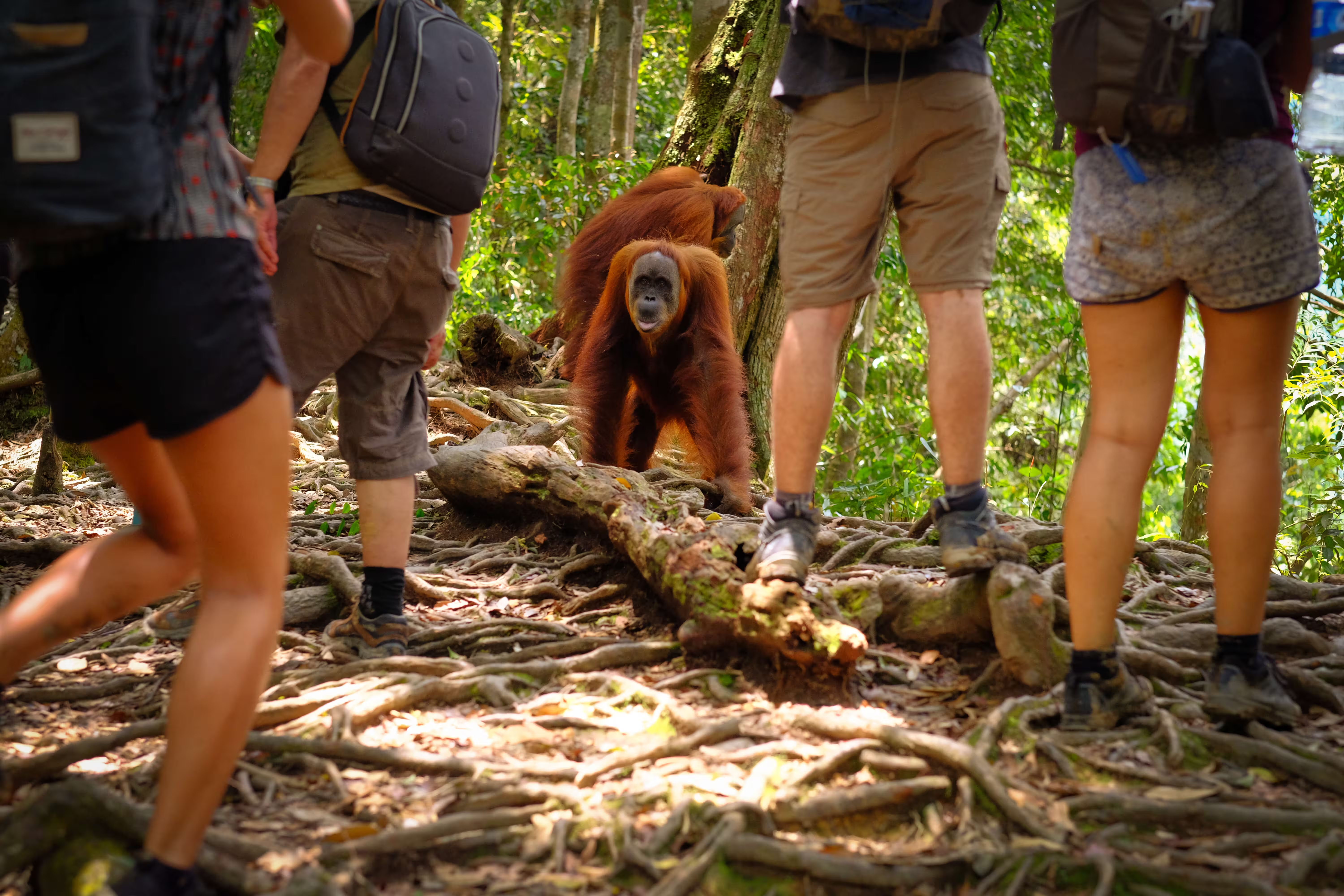
Climate change also represents a challenge for this group. The rise in temperature has disturbed many species with increased incidence of droughts, preventing the growth of fruit and flowers, the main food source for primates.
The factor of invasive species, where some primate species are introduced into habitats different from their own by pet monkey collectors, presents a big problem. Parasitism, competition for food, and hybridization undermine the survival of local species that have kept the gene pool intact for millions of years.
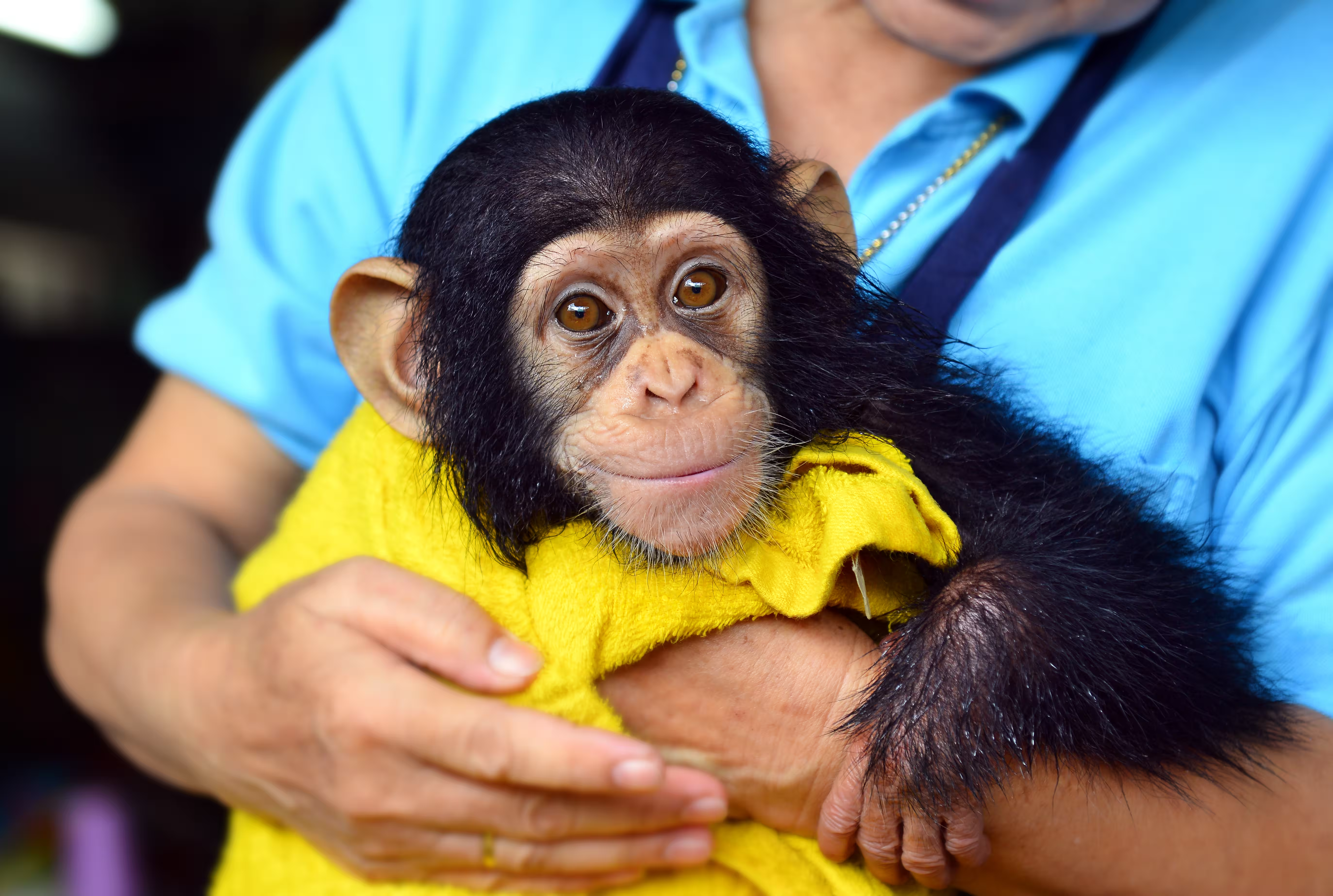
Some monkeys, such as chimpanzees, are protected by national and international laws, including the U.S. Endangered Species Act. Some of their habitats are protected as sanctuaries or reserves. Conservation organizations are working to expand these protected areas, while also pushing for an end to the illegal killing and taking of animals.
The key to securing the future of these monkeys is to improve their relationship with humans. Many organizations work with communities to build awareness about the threats monkeys face, develop action plans to preserve their habitats, and help community members develop alternative livelihoods that do not jeopardize the animals’ habitat.